Choosing a Premium Dog Bed for Large Dogs
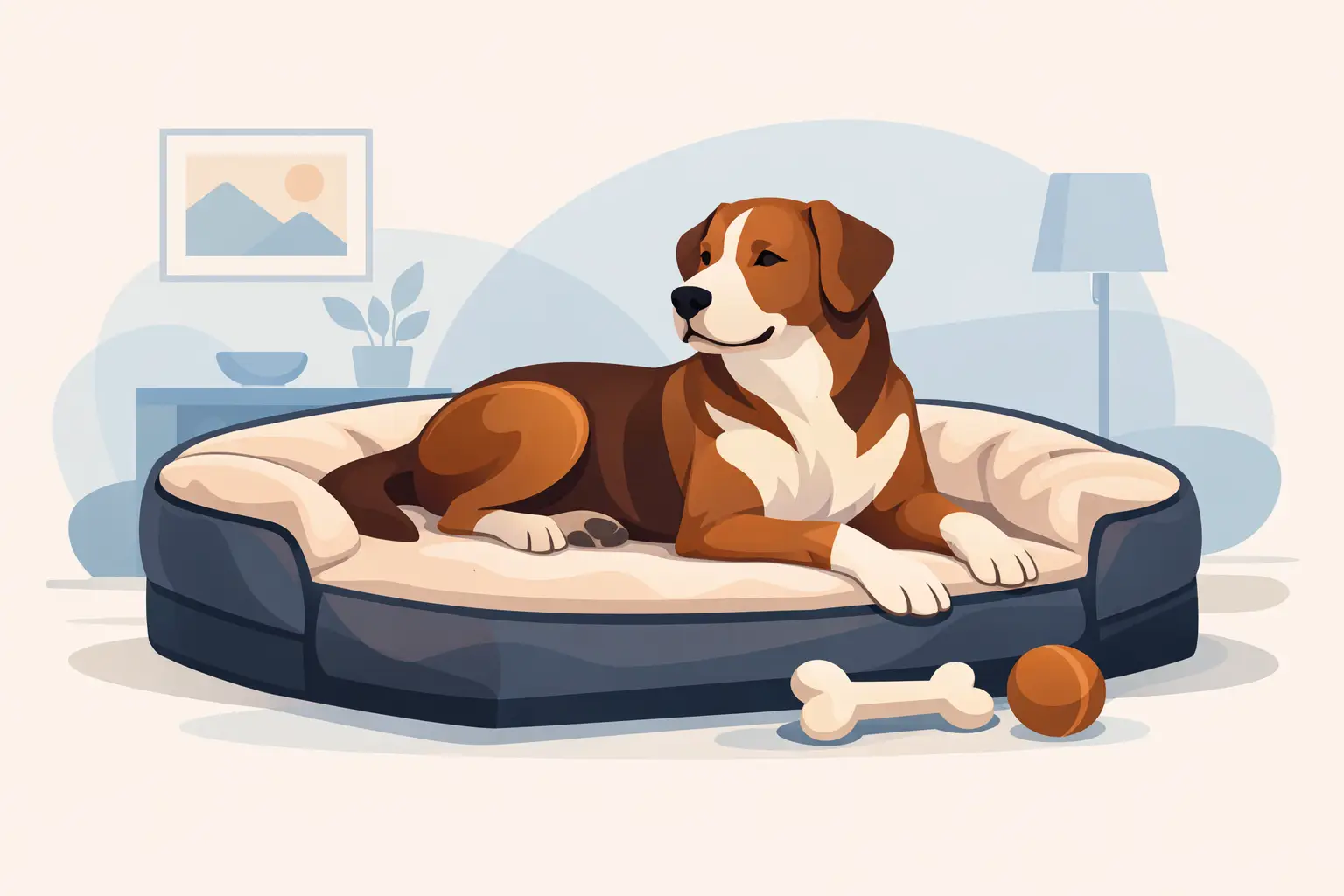
A large dog rarely settles for a tiny patch of floor. They claim the sunny corner by the window, stretch across the rug after a long walk, and somehow make even a generous sofa feel like their personal lounge. A premium dog bed for large dogs gives that daily ritual the comfort, support, and polished presence it deserves.
For bigger breeds, a bed is not simply a soft accessory. It is a dedicated place to recover after play, rest between adventures, and feel secure in the middle of a busy household. The right choice can also elevate the room rather than interrupt it, pairing practical pet comfort with a more considered home.
Why Large Dogs Need More Than an Oversized Cushion
Size is only the beginning. A 75-pound Labrador, a broad-chested Golden Retriever, or a giant-breed dog carries more weight through their hips, shoulders, and elbows than a smaller companion. Thin fill can flatten quickly, leaving pressure points against the floor and turning a once-inviting bed into a forgotten pile of fabric.
Premium construction is designed to hold its shape. Supportive foam, substantial bolsters, durable seams, and thoughtfully selected cover materials all matter when a dog uses the same bed every day. The goal is not an overly firm platform or a cloud-soft cushion that sinks too far. It is stable, comfortable support that lets your dog stand up easily and settle deeply.
This is especially valuable for senior dogs, active dogs, and breeds that are naturally prone to joint stiffness. A well-made bed cannot replace veterinary care, but it can make everyday rest noticeably more comfortable. For a young, energetic dog, it also provides a calm landing place after a busy afternoon outdoors.
Choosing a Premium Dog Bed for Large Dogs
Start with the way your dog actually sleeps. Dogs who curl into a compact circle often appreciate raised bolsters that create a protected, nest-like feeling. Dogs who sleep stretched from nose to tail need a broad, open mattress with no edge forcing them to fold into an unnatural position. A dog who switches between both styles may do best with a spacious bed that has bolsters on two or three sides rather than all the way around.
Measure your dog while they are fully relaxed, not while they are standing neatly. Add several inches to their stretched length and width so they can shift positions without hanging over the edge. If your dog is between listed sizes, choosing the larger option is usually the more refined decision. Extra space feels generous, while a bed that is technically adequate can still look and feel cramped.
Placement affects sizing, too. A bed intended for a bedroom or quiet office can be larger and more lounge-worthy. For a kitchen, entryway, or living room, a sleek rectangular silhouette may fit the space more gracefully while still giving your dog enough room to rest.
Look for Support That Holds Up
For large dogs, the interior is where quality earns its place. High-density foam and orthopedic-style support tend to retain their structure better than loose fiber fill alone. Memory foam can be appealing for dogs that enjoy contouring comfort, while firmer base foam helps prevent the bed from compressing under heavier weight.
The best feel depends on your dog. A young dog who likes plush comfort may enjoy a layered surface with a supportive core. An older dog or a dog with limited mobility may prefer a flatter, easier-to-enter design that offers steady support without a deep, difficult-to-climb bolster.
Pay attention to thickness as well as material. A bed can look generously padded at first glance but still lack the depth needed to keep a large dog’s joints comfortably off a hard floor. A substantial base is particularly worthwhile on tile, hardwood, concrete, or other unforgiving surfaces.
Choose Fabrics for Real Life, Not Just the First Photo
A premium bed should look inviting on day one and remain presentable after muddy paws, shedding season, rainy walks, and the occasional unexpected mess. Removable, washable covers add meaningful convenience, especially in multi-pet homes. Hidden or reinforced zippers, durable stitching, and fabrics that resist snagging help the bed maintain its tailored appearance.
Texture is part of the decision. A soft plush finish can feel wonderfully cozy in a bedroom or reading nook, but it may hold more hair and require more frequent care. Tightly woven upholstery-style fabrics can offer a cleaner, more structured look for a living area. Water-resistant liners or easy-clean surfaces are smart choices for puppies, seniors, or dogs who come indoors straight from the yard.
Color deserves a practical eye. Cream, ivory, and pale gray can create an elegant, airy look, yet they show dirt faster in homes with dark-coated dogs or active outdoor routines. Charcoal, taupe, camel, olive, and rich neutral tones often offer the sweet spot between elevated style and everyday forgiveness.
A Bed That Belongs in Your Home
Pet furniture no longer has to feel like a compromise. A thoughtfully chosen dog bed can complement a leather accent chair, soften a modern bedroom, or add warmth beside a fireplace. Look for clean lines, substantial piping, tailored bolsters, and colors that echo your existing textiles. The result feels intentional, as though your dog’s comfort was part of the room’s design from the beginning.
That visual harmony matters because a bed that suits the space is more likely to stay where your dog needs it. If it looks good in the living room, you will not be tempted to tuck it away. If it fits naturally beside your desk, your dog can rest close by while you work without claiming an awkward pile of blankets.
Consider keeping more than one resting spot if your dog follows the household’s rhythm. A supportive main bed in the bedroom and a durable, easy-clean option in the family room can give a large dog comfort wherever the day leads. It is a small upgrade that makes shared spaces feel more welcoming for everyone.
The Details That Separate a Good Bed From a Lasting One
A non-slip bottom is easy to overlook until a heavy dog launches onto a bed and sends it sliding across hardwood. It helps keep the bed stable and preserves a sense of security, particularly for older dogs that need dependable footing. Lower entry walls can also make a major difference for dogs with stiff joints, while higher bolsters are ideal for dogs who use an edge as a pillow.
Washability should be considered beyond the cover. Check whether the liner protects the foam, whether replacement covers are available, and whether the material can be spot-cleaned between full washes. A bed that is simple to maintain is far more likely to remain fresh, beautiful, and comfortable over time.
Durability is not the same as indestructibility. Even a premium dog bed is not meant to be a chew toy, and determined chewers may need supervision or a separate enrichment solution. For most households, though, reinforced construction and quality textiles provide far better value than replacing a flattened, torn bed every few months.
Make the New Bed a Favorite Place
Dogs are creatures of routine, so give a new bed a little help becoming familiar. Place it where your dog already likes to rest, add a clean blanket with a familiar scent, and reward calm moments when they choose it. Avoid using the bed as a timeout location. It should feel like their private retreat, not a place associated with being excluded.
If your dog initially chooses the floor, do not assume the bed is a failure. They may be adjusting to a new texture, a warmer season, or a different location. Try moving it closer to the family, away from a draft, or toward a quieter corner. Comfort includes the environment around the bed, not only the cushion beneath them.
A premium dog bed is one of those home upgrades that quietly improves every day. Choose one with room to stretch, support that lasts, and a finish that complements your space, then give your dog time to make it their own. The best sign you chose well is simple: your biggest companion will head there willingly, settle in fully, and sleep like they have found their favorite place in the house.









Leave a comment