Can Portable Generators Power Refrigerators Safely?
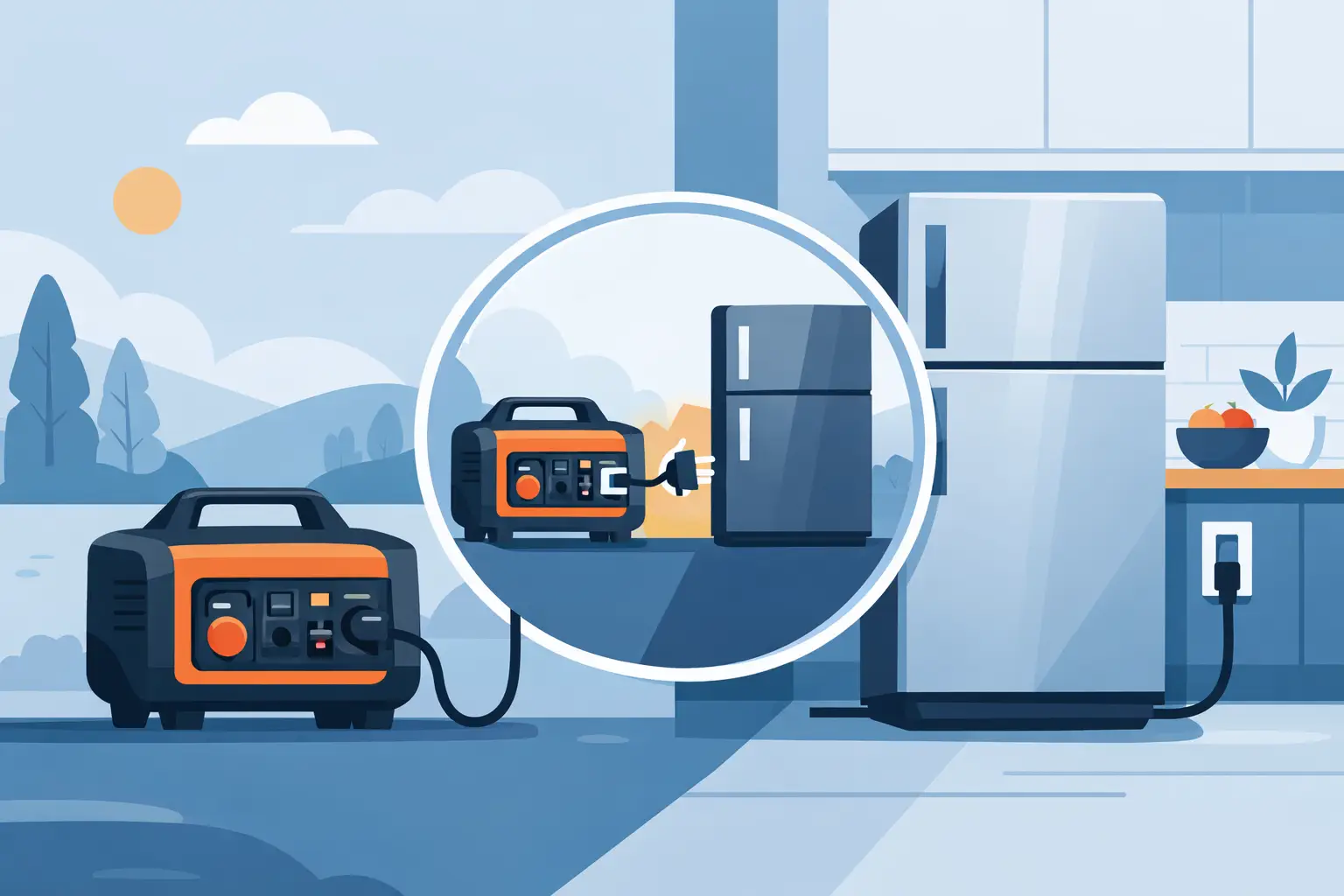
A refrigerator full of fresh groceries is one of the first things worth protecting when the power goes out. So, can portable generators power refrigerators? Yes, in most cases – provided the generator has enough starting capacity, is set up outdoors correctly, and powers the appliance without overloading the circuit.
For homeowners who value a well-prepared, comfortable space, portable power is less about roughing it out and more about preserving normalcy. The right generator can keep your kitchen essentials cold, protect a carefully stocked freezer, and give you a more composed backup plan when the grid is down.
Can Portable Generators Power Refrigerators Without Damage?
A quality portable generator can run a standard refrigerator safely. The detail that matters most is not simply the refrigerator’s running wattage. It is the brief surge of electricity required when the compressor starts.
Many modern refrigerators use roughly 100 to 300 running watts, though larger French-door models, older units, garage refrigerators, and refrigerator-freezer combinations may draw more. At startup, the compressor can require two to three times its normal running power for a moment. A refrigerator that runs at 200 watts, for example, may need 600 watts or more to start.
That is why a generator should have comfortable headroom rather than a rating that only barely matches the appliance label. For one average refrigerator, a 1,000-watt generator may be sufficient if its surge rating is high enough and little else is connected. A 2,000-watt inverter generator is often the more versatile, refined choice for an outage setup, leaving room for a few lights, phone chargers, a modem, or a small fan.
Avoid assuming every refrigerator performs the same way. A compact refrigerator may be modest in its power needs, while an older side-by-side unit can demand significantly more. The most dependable answer is on the appliance’s data plate, usually inside the refrigerator compartment, behind the unit, or in the owner’s manual. Look for watts or amps. If only amps are listed, multiply amps by 120 volts to estimate watts.
Start With Watts, Then Plan for the Rest of Your Kitchen
Choosing generator capacity becomes more considered when the refrigerator is not the only appliance you hope to run. The generator must handle the refrigerator’s starting surge plus the combined running load of everything connected at that moment.
A polished emergency setup often prioritizes essentials rather than trying to recreate every convenience at once. Refrigeration, a few efficient lamps, internet equipment, charging stations, and a fan are generally reasonable companions for a 2,000- to 3,000-watt portable generator. High-heat appliances are a different category. Microwaves, coffee makers, electric kettles, toaster ovens, hot plates, and space heaters can each consume a substantial share of the available power.
If you want to support two refrigerators, a chest freezer, or selected household circuits, stepping up to a 3,000- to 5,000-watt model can create a more comfortable margin. The right size depends on the actual appliances, not the number printed on a generic checklist. Generator ratings also have two figures: running watts, which the unit can provide continuously, and starting or peak watts, which cover short bursts like compressor startup.
Inverter generators are particularly appealing for refrigerator duty. They tend to be quieter, more fuel-efficient under lighter loads, and better suited to sensitive electronics. Their cleaner, more stable power output is a thoughtful upgrade for homes where the generator may also charge laptops, tablets, cameras, or other tech that supports everyday life.
A Simple Capacity Example
Imagine a refrigerator that needs 180 running watts and 700 starting watts. Add a freezer using 150 running watts with a 500-watt startup surge, along with 100 watts of lighting and charging. Your continuous load is about 430 watts, but the generator needs enough peak capacity for the higher startup moments.
A 2,000-watt inverter generator would generally give this setup an elegant amount of breathing room. A smaller unit could work if loads are managed carefully, but capacity margin means fewer interruptions and less guesswork when the compressor cycles on.
The Safe Way to Connect a Refrigerator
The simplest approach is to plug the refrigerator directly into the generator using a heavy-duty, outdoor-rated extension cord sized for the appliance load. Use a cord with a grounding pin and keep the connection dry. A cord that is too thin or excessively long can cause voltage drop, which makes motors work harder and may affect performance.
Place the generator outdoors on a stable, level surface, at least 20 feet from the home, with exhaust directed away from doors, windows, vents, and attached garages. Never operate it in a garage, basement, porch, shed, or enclosed patio – even if windows or doors are open. Carbon monoxide is odorless and potentially fatal. Every home using a portable generator should have working carbon monoxide alarms with fresh batteries.
For a whole-home-style experience, a professionally installed transfer switch or generator interlock is the appropriate route. This lets a generator feed selected home circuits without extension cords crossing the floor. It also prevents backfeeding, the dangerous practice of plugging a generator into a wall outlet to energize the house. Backfeeding can injure utility workers, damage equipment, and create a serious fire risk.
Do not plug a refrigerator into the generator until the generator is running and stable. Once connected, listen for the compressor to start normally. If the generator bogs down, trips a breaker, or produces an overload warning, disconnect the appliance and reassess the load before trying again.
Fuel, Noise, and Placement Matter More Than People Expect
Generator performance is only part of a good outage plan. Fuel availability and runtime shape how useful the system feels after the first few hours. Many portable models run on gasoline, while dual-fuel versions can also use propane. Gasoline is widely available but requires careful storage and has a limited shelf life. Propane stores longer and can be a practical option for households that prefer a more prepared, lower-maintenance reserve.
Never refuel a hot generator. Turn it off, let it cool, and clean up any spills before restarting. Keep fuel in approved containers away from living areas, ignition sources, and direct sunlight.
Noise is another real consideration, especially in close neighborhoods or during an overnight outage. Open-frame generators are often more affordable and powerful for their size, but inverter generators usually provide a quieter, more neighbor-friendly experience. If the refrigerator is your priority, you may not need a large, constantly roaring unit. A quieter model sized intelligently for essential loads can feel like a far more considered investment.
Weather also requires planning. The generator needs protection from rain and snow, but it must remain fully ventilated. Do not cover a running generator with a tarp or operate it under an enclosed canopy. A purpose-built, open-sided generator tent or manufacturer-approved weather solution can help protect the equipment while allowing exhaust and heat to dissipate.
Keep Food Safe While You Manage Generator Time
You do not always have to run a generator around the clock to protect refrigerated food, particularly during a shorter outage. An unopened refrigerator generally keeps food cold for about four hours. A full freezer can hold its temperature for around 48 hours if left closed, while a half-full freezer may stay cold for about 24 hours.
Those guidelines do not replace checking food temperature, but they can help conserve fuel. If generator fuel is limited, run the refrigerator in intervals and keep the doors closed as much as possible. A refrigerator thermometer and freezer thermometer add a useful layer of confidence. Refrigerated perishable food should remain at 40 degrees Fahrenheit or below, while frozen food that still contains ice crystals may be safe to refreeze or cook.
It is also wise to let the refrigerator run long enough to complete a cooling cycle before turning the generator off. Frequent, very short on-and-off periods are less helpful than giving the compressor time to bring temperatures down properly.
A Better Backup Plan Starts Before the Storm
Test your generator before you need it. Run it outdoors, confirm the refrigerator cord reaches safely, and learn how much fuel it uses at a modest load. Keep the manual, extension cord, fuel plan, and carbon monoxide alarm checks together so your preparation does not become a last-minute search in the dark.
A portable generator is a practical piece of premium home readiness: one that protects the groceries you selected, the meals you prepared, and the comfort you have built into your everyday routine. Choose capacity with room to spare, use it with disciplined safety habits, and an outage can feel far less disruptive.












Leave a comment