Are Smart Litter Boxes Worth It for Busy Homes?
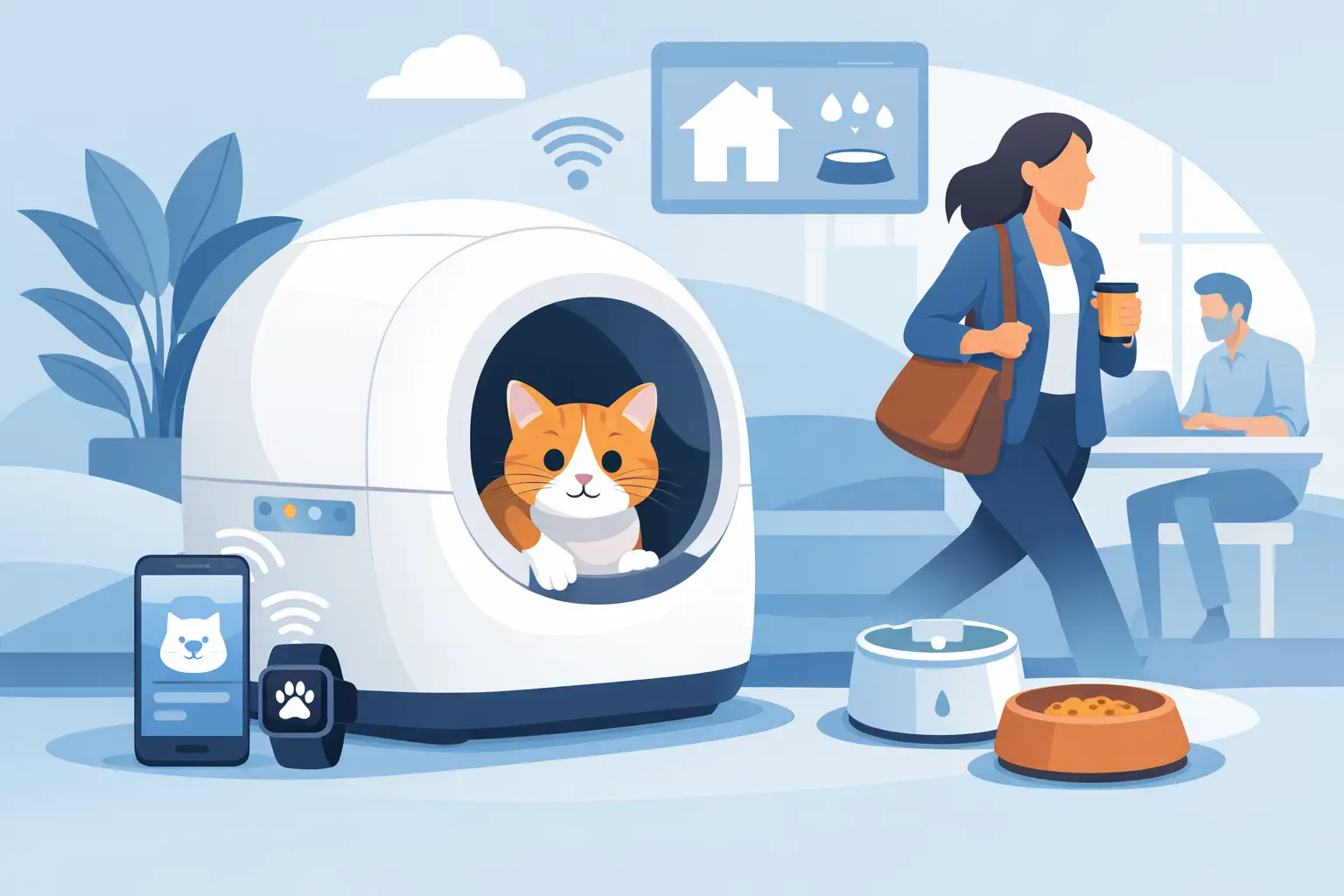
The litter box may be one of the least glamorous corners of a beautiful home, but it has an outsized effect on how the entire space feels. So, are smart litter boxes worth it? For many cat owners, especially those balancing work, travel, multiple pets, and a preference for a fresher-looking home, the answer is yes. The right model turns a repetitive daily task into a quieter, cleaner routine while bringing a more considered level of design to pet care.
That does not mean every automatic box is a smart purchase. These devices vary widely in capacity, safety engineering, app features, cleaning performance, and the kind of litter they require. A premium upgrade should feel genuinely useful, not like another appliance demanding attention. The value comes down to your cat, your household, and what you want to simplify.
Are Smart Litter Boxes Worth It? The Real Value
A smart litter box typically detects when a cat has finished using it, waits for a preset period, then separates waste from clean litter and deposits it in a sealed drawer or receptacle. Some models also track visits, weight trends, litter levels, and maintenance alerts through an app.
The obvious benefit is less scooping. Instead of handling waste once or twice a day, most owners empty a lined waste drawer every few days or, in some single-cat homes, about once a week. That is a meaningful luxury when mornings are rushed, evenings are full, or the box lives in a guest bathroom, laundry room, or apartment living area where lingering odor is not welcome.
There is also a visual advantage. Traditional boxes can look untidy shortly after use, even with excellent litter and diligent care. Automatic cleaning keeps the litter bed more consistently presentable. For homeowners who have invested in refined interiors, or apartment dwellers making every square foot work harder, that cleaner appearance can feel like a true lifestyle upgrade.
The best smart boxes add convenience without asking you to compromise on your cat’s comfort. A spacious entry, quiet cycling, odor-conscious waste containment, and intuitive controls matter more than a long list of novelty features. Think of it as premium home technology with a very practical job.
What You Gain Beyond Fewer Scoops
Odor control is often the deciding factor. Waste that is promptly moved into a covered compartment has less opportunity to affect the room. This will not eliminate every smell – litter quality, diet, ventilation, and cleaning habits still matter – but it can make a noticeable difference in compact homes and multi-cat households.
Smart monitoring can be valuable, too. Cats tend to hide discomfort, and a change in litter box habits may be one of the first signs that something is off. Models that log frequency or weight can help owners notice unusual patterns earlier. The data is not a diagnosis, and it should never replace a veterinarian, but it can provide a useful prompt to pay closer attention.
For frequent travelers, the appeal is equally clear. A smart box does not remove the need for a trusted pet sitter, who should always check food, water, behavior, and the equipment itself. It does, however, reduce the number of scooping tasks placed on that person and helps keep the box more comfortable between visits.
There is a less obvious benefit for selective cats: a freshly cleaned surface after each use. Many cats dislike stepping into an already-soiled box. In homes with two or more cats, automatic cleaning can reduce competition for a clean place to go, provided the box is appropriately sized and there are enough litter stations overall.
The Costs and Trade-Offs to Consider
The purchase price is the biggest hurdle. A conventional litter box is inexpensive, while a quality automatic unit is a considered investment. It also needs electricity, replacement liners or filters in some cases, and occasional deep cleaning. A lower-priced device that jams, traps odors, or has hard-to-clean crevices is rarely a bargain.
Noise is another factor. Even quiet machines make some operational sound, and a sensitive cat may need time to accept the movement. Placement matters. Avoid putting the box beside a cat’s food and water, in a high-traffic hallway, or where the cycle might startle a resting pet. A calm, accessible location gives the transition the best chance of success.
Size deserves serious attention. Some enclosed automatic boxes look sleek but may feel restrictive to large cats, senior cats, or cats who prefer an open view of the room. Check the internal dimensions rather than relying on the exterior footprint. The entry height also matters for kittens, older pets, and cats with mobility concerns.
Finally, automation does not mean zero maintenance. You will still need to top up litter, empty the waste drawer, wipe sensors, wash the interior, and inspect moving parts. A smart litter box is best understood as a reduction in daily work, not a complete escape from responsible pet care.
Who Will Feel the Upgrade Most?
Busy professionals and families often see the clearest return. When pet care tasks are shared or occasionally missed during hectic weeks, a box that maintains itself helps preserve a more orderly routine. It is also well suited to smaller homes where the litter area is impossible to ignore.
Multi-cat households can benefit substantially, but they should choose with care. Look for a generous waste capacity, dependable odor sealing, a roomy chamber, and strong safety sensors. One automatic box may not be enough for several cats. Many veterinarians and cat behavior specialists recommend providing one box per cat, plus one extra. Even if a smart unit becomes the primary station, keeping a familiar traditional box available can reduce stress and provide a backup during cleaning or technical issues.
Style-conscious pet owners may appreciate the way a thoughtfully designed unit integrates with the home. The goal is not to make a litter box a centerpiece. It is to make an essential item less visually disruptive and easier to place with intention. A well-chosen model paired with a discreet mat and a ventilated cabinet or corner can create a far more polished pet-care zone.
When a Traditional Box Is the Better Choice
Some cats simply prefer a classic, open pan. If your cat is anxious around appliances, avoids covered spaces, or has a history of litter box issues, prioritize comfort over convenience. A large, open box scooped consistently may be the better solution.
Budget-conscious households may also be better served by upgrading the basics first: a larger box, premium clumping litter, a litter-catching mat, odor-control accessories, and a reliable scooping routine. Those changes can create a major improvement at a fraction of the cost.
A traditional box is also the uncomplicated choice during a medical concern. When you need to closely observe stool, urine, or changes in output, manually scooping can make those details more visible. Some smart models offer tracking, but they cannot replace hands-on observation when a cat is unwell.
How to Choose a Smart Litter Box With Confidence
Start with your cat’s body size, age, temperament, and existing litter habits. Then assess your home: where will the unit sit, how much floor space can it use, and how often are you realistically willing to empty and clean it? The most elegant device is not the right fit if it is awkward to access or too small for your pet.
Prioritize safety features over app extras. Reliable occupancy sensors, weight detection, automatic pause functions, and a design that prevents cycling while a cat is inside are essential. Look for a clear manual mode as well, so you can control cleaning during the adjustment period.
Confirm the litter requirements before buying. Some models work with standard clumping litter, while others need crystals, pellets, proprietary trays, or a specific texture. Standard clumping litter can offer greater flexibility and may reduce ongoing costs, but only if the machine is designed to handle it well.
Also consider cleaning access. Removable parts, smooth interior surfaces, and a waste drawer that seals without mess make ownership much more pleasant. A premium pet-tech purchase should save time at every stage, not shift the unpleasant work into a more complicated form.
Helping Your Cat Make the Switch
Introduce the new box slowly. Place it near the existing box with the power off at first, allowing your cat to inspect it without motion or sound. Add a small amount of used litter to create a familiar scent, then let your cat use it naturally before activating automatic cycles.
Keep the original box available until the new routine is clearly established. Never force a cat into the unit or punish avoidance. Patience is especially worthwhile with older cats and rescue cats, whose comfort with a familiar setup may be deeply established.
A smart litter box earns its place when it supports a cleaner home and a calmer daily rhythm without asking your cat to adapt beyond their comfort. Choose for safety, space, and easy maintenance, then let the technology quietly handle one of home life’s least elegant chores while you enjoy the extra time and a fresher space.










Leave a comment