Best Accent Chair for Small Living Room
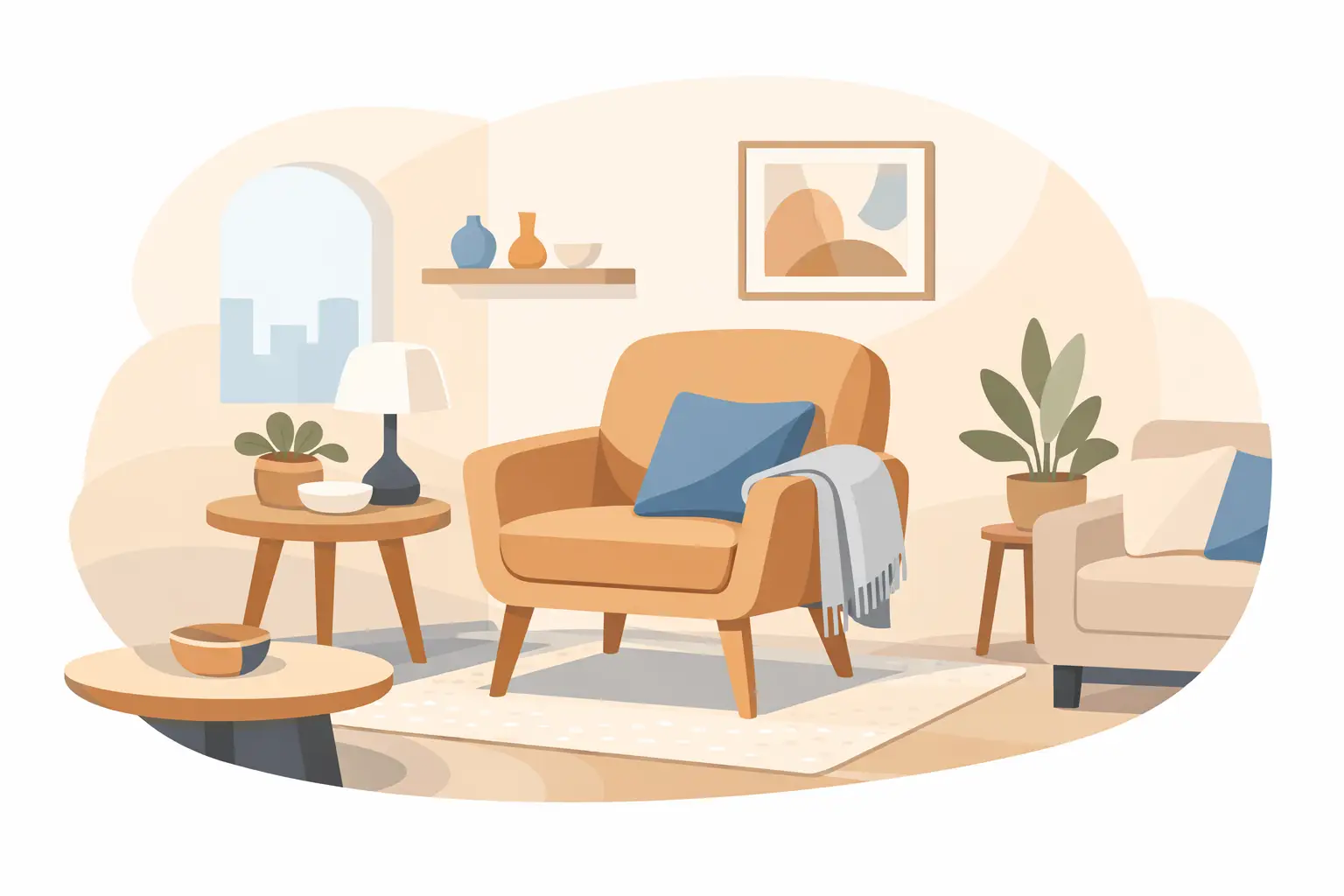
A small living room tells on every furniture choice. One chair that is too deep, too bulky, or too visually heavy can make the entire space feel crowded. The best accent chair for small living room layouts does more than add seating – it sharpens the room, supports comfort, and gives your setup a more refined finish without stealing precious square footage.
That balance is what makes accent-chair shopping trickier than it looks. In a larger room, almost any silhouette can work if the color is right. In a compact apartment, condo, or scaled-down family room, proportions matter just as much as style. The right chair should feel intentional, polished, and easy to live with every day.
What makes the best accent chair for small living room spaces?
It usually starts with scale. A chair can be beautiful on its own and still feel completely wrong once it lands beside a sofa, coffee table, and media unit. In smaller rooms, the best pieces have a lighter footprint. That might mean a tighter frame, slim arms, a narrower seat, or raised legs that allow more floor to remain visible.
Visible floor space is a subtle design advantage. When you can see under and around a chair, the room tends to feel more open. That is why many modern and transitional accent chairs work well in small spaces. They often rely on cleaner lines and less visual bulk than oversized club chairs or heavily rolled traditional styles.
Comfort still matters, of course. A chair that looks elegant but feels stiff after ten minutes is not a smart upgrade. The strongest picks deliver a clean silhouette and enough support for real use, whether that means reading, conversation, or occasional extra seating when guests stop by.
Start with measurements, not mood boards
The fastest way to make a stylish mistake is shopping by image alone. Before choosing a fabric, shape, or color, measure the area where the chair will sit. Width is obvious, but depth is often where small rooms get into trouble. A chair that projects too far into the room can interrupt traffic flow and make every other piece feel cramped.
As a general rule, leave enough clearance for people to move comfortably around the chair and between furniture. If the chair will sit near a sofa, side table, or console, make sure it does not create a pinched corner. The goal is not just fitting the chair into the room. The goal is keeping the room usable.
Seat height also deserves attention. If your accent chair will live beside a sofa, mismatched heights can look awkward. A chair that sits slightly lower can feel lounge-ready and relaxed, while one that sits too low may look undersized. In compact rooms, visual balance is everything.
The silhouettes that work best
Not every small-space chair needs to look tiny. It just needs to look edited. Armless chairs are often an excellent choice because they remove visual weight and take up less width. They also tuck more easily into corners or float beside compact sectionals.
Barrel chairs can work beautifully too, but this depends on the frame. A petite barrel chair with a tight curve can add softness and sophistication. A deep, overstuffed version may overwhelm the room. Slipper chairs are another smart option when you want a streamlined profile that still feels styled.
If comfort is your top priority, look for a chair with slim track arms or a narrow wood frame. These styles often offer better support than fully armless designs without adding too much bulk. Chairs with exposed legs, especially in wood or metal, tend to feel lighter than pieces wrapped all the way to the floor.
Swivel chairs can also be surprisingly practical in a small living room. They allow the seat to turn toward the television, a conversation area, or a window without requiring extra floor space for repositioning. The caveat is scale. A compact swivel can be a smart luxury. An oversized one can eat the room.
Fabric and color can make a room feel bigger or smaller
In smaller spaces, upholstery does more than add texture. It changes how large the chair feels. Light neutrals, warm ivory, soft taupe, muted gray, and airy beige tend to visually recede, which helps a room feel more expansive. That does not mean you have to avoid darker tones, but rich charcoal, navy, or black usually look best when the chair itself has a slender frame.
Texture is where a premium look really comes forward. Boucle adds softness and trend appeal, velvet brings a more polished and elevated mood, and woven linen-look fabrics offer a tailored finish that works across many interiors. If the room already has several strong patterns, a solid chair often feels more expensive and composed.
Pattern can still work in a small living room, but restraint usually wins. A subtle stripe or tonal print adds personality without making the chair feel busier than the room can handle. Bold prints tend to become the whole story, which is fine if the chair is meant to be the focal point, but less ideal if you want the space to feel calm and collected.
Match the chair to how you actually use the room
A living room that doubles as a reading spot needs something different from a room designed mostly for entertaining. If you spend evenings with a book or tablet, prioritize back support and a seat that feels comfortable for longer stretches. If the chair is mostly for guests, a more design-forward silhouette may make sense.
This is where trade-offs matter. A sculptural chair can look exquisite in a compact room because it acts almost like decor, but it may not be the seat everyone reaches for. On the other hand, a plush lounge chair may be deeply comfortable while making the room feel less edited. The best choice depends on whether you want everyday function, visual impact, or a little of both.
For family spaces, performance fabrics are often worth it. They help preserve that polished look even with kids, pets, or heavy daily use. In a more formal sitting area, you may have more freedom to choose delicate textures or lighter upholstery.
Placement matters as much as the chair itself
Even the best accent chair for small living room design can underperform if it is placed poorly. Corners are common, but they are not always the best solution. A chair angled slightly toward the sofa often creates a more inviting layout than one pushed flat against the wall.
If your room is especially tight, consider using one standout chair rather than trying to squeeze in a pair. One beautifully chosen piece can look more elevated than two undersized chairs that feel like a compromise. It also leaves more breathing room for side tables, lighting, and movement.
Window-adjacent placement works well when you want to create a light reading zone. Near a console or bookshelf, an accent chair can define a mini retreat within the living room. In open-plan homes, a chair can also help visually separate the living area from the dining or kitchen space without adding something bulky like a divider.
Styles that feel elevated right now
Small-space living does not require sacrificing style. Some of the most appealing accent chairs today are designed with compact footprints and high-end presence. Mid-century inspired frames remain strong because their raised legs and clean lines naturally suit tighter rooms. They bring structure without heaviness.
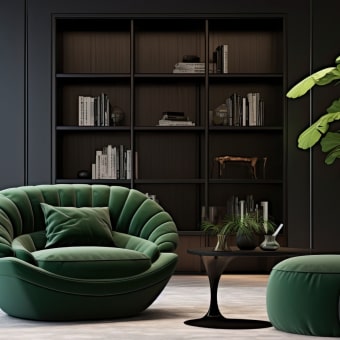
Soft contemporary shapes are also having a moment, especially chairs with curved backs, touchable upholstery, and sculpted forms. These styles can add warmth to a room filled with straight-edged furniture. For a more classic upscale look, look for tailored upholstery, subtle channeling, or wood detailing that gives the chair a more curated finish.
This is where merchandising matters. The best pieces feel like Exquisite Finds, not filler furniture. A small chair should still offer personality, craftsmanship, and visual polish. That is the difference between simply fitting a room and elevating it.
How to spot a chair worth buying online
When shopping online, dimensions are your first filter, but not your only one. Look closely at seat depth, seat height, and total width. Review photos that show the chair in a room setting, since product-only images can be misleading. A chair described as compact may still read oversized in a true small-space layout.
Pay attention to materials and construction details too. Solid wood legs, tailored seams, dense cushions, and quality upholstery all contribute to that upscale feel shoppers want in a living room centerpiece. If a chair looks thin, flat, or loosely finished in photos, it rarely feels premium in person.
Fresh Choice Depot shoppers often want pieces that deliver sophistication without the showroom markup, and that is exactly the sweet spot to aim for. Look for a chair that feels distinctive enough to upgrade the room, but practical enough to enjoy every day.
A small living room does not need less style. It needs better choices. When your accent chair is scaled well, thoughtfully placed, and finished in the right material, it can make the whole room feel more spacious, more polished, and far more intentional.








Leave a comment