How to Choose Kitchen Storage Containers
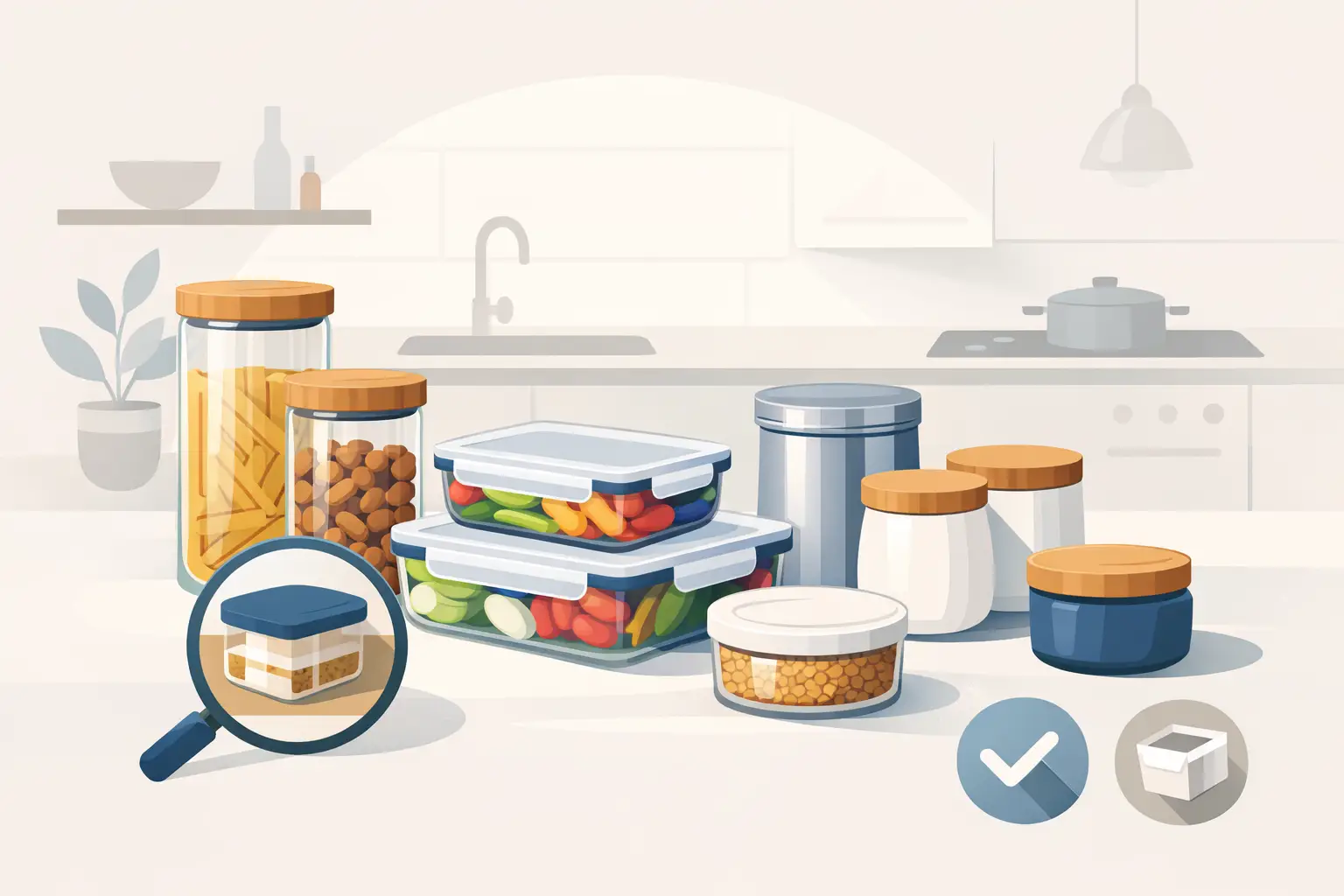
A cluttered cabinet can make a beautiful kitchen feel chaotic fast. If you have ever opened a shelf and watched mismatched lids slide forward, you already know that learning how to choose kitchen storage containers is less about buying more and more about choosing better.
The right set does two jobs at once. It protects ingredients and leftovers so your kitchen runs smoothly, and it brings a more polished, intentional look to counters, pantries, and refrigerator shelves. For a home that feels elevated and easy to live in, storage containers are not a minor detail. They are part of the experience.
How to choose kitchen storage containers for real life
The first decision is not material or shape. It is lifestyle. A household that meal preps every Sunday needs something very different from a kitchen used mostly for coffee, snacks, and takeout leftovers. Before you compare features, think about what actually moves through your space in a normal week.
If you store dry goods like pasta, flour, cereal, and coffee beans, visibility and airtight performance matter most. If you pack lunches, portability and leak resistance move to the top. If your kitchen is short on cabinet space, stackability becomes a luxury you will appreciate every day. And if your containers will sit out on open shelving, appearance matters just as much as function.
This is where many shoppers overbuy. A large matching set can look appealing, but a curated mix often works better. It is smarter to build around the foods you store most often than to fill cabinets with sizes you rarely use.
Start with the three zones that matter most
Most kitchens rely on containers in three places: the pantry, the refrigerator, and on-the-go use. Pantry containers benefit from clean lines, clear walls, and reliable seals. Refrigerator containers need to be easy to open, easy to wash, and compact enough to fit around taller items. Travel-friendly containers need secure lids and shapes that tuck neatly into lunch bags or work totes.
When you define those zones first, shopping becomes simpler. You are no longer choosing containers in the abstract. You are selecting pieces for specific routines.
Material matters more than people think
When considering how to choose kitchen storage containers, material is where style and performance meet. Each option has strengths, and the best choice depends on what your kitchen demands.
Glass feels refined, substantial, and clean. It resists staining, does not hold odors easily, and transitions beautifully from fridge to table. For leftovers, prepped meals, and visible refrigerator organization, glass often feels like the premium choice. The trade-off is weight. It is heavier to lift, less practical for small children, and not ideal if you want lightweight storage on the move.
Plastic offers convenience and a lighter feel. It is easy to carry, usually more budget-friendly, and often better for packed lunches or busy family routines. Not all plastic feels elevated, though. Thin containers can warp, absorb smells, and lose clarity over time. If you prefer plastic, look for options with a sturdier construction and well-fitted lids rather than the cheapest multi-pack available.
Stainless steel has a sleek, modern appeal and excellent durability. It is especially good for portable meals and for shoppers who want a more design-forward alternative. But because it is not transparent, it can make pantry organization harder. You cannot admire a neatly layered grain collection if you cannot see it.
Silicone works well in specialized roles, especially collapsible storage or flexible freezer use. It is practical, but rarely the best all-purpose answer for a full kitchen system.
The trade-off between beauty and convenience
This is one of the few categories where the most elegant option is not always the most practical one for every household. If you love the clean look of glass but often send containers to school, work, or outdoor gatherings, a mixed collection may serve you better. Keep glass at home for pantry staples and leftovers, then use lightweight pieces for transport.
Shape, size, and stackability change everything
A container can be beautifully made and still frustrate you if the dimensions are wrong. The most useful shapes usually depend on where the container lives.
For pantries, square and rectangular containers typically make better use of shelf space than round ones. They line up neatly, reduce awkward gaps, and create the crisp visual order that makes a kitchen feel more expensive. For soups, sauces, and small leftovers, round containers can still be convenient, especially in the refrigerator.
Size matters just as much. Oversized containers can make shelves look impressive but waste space if they only hold half a bag of rice. Very small containers tend to multiply and create visual noise. A smart collection usually centers on a few core sizes repeated consistently.
Stackability is the feature shoppers appreciate after purchase, not always before. Containers that nest when empty and stack securely when full are worth the attention. They help you maintain order without forcing you to rearrange an entire shelf just to reach one item.
Lids deserve a closer look
Most container frustration comes from lids, not bases. A strong lid should close firmly, open without a struggle, and seal in a way that feels reliable rather than fussy.
Snap-lock lids can be excellent for leak prevention, especially for lunches and liquids, but bulky locking tabs may feel excessive for simple pantry storage. Push-top or twist-top lids often look cleaner in dry-goods setups and can create a more streamlined countertop presentation.
If freshness is your priority, focus on airtight sealing. This is especially important for coffee, sugar, flour, nuts, cereal, and snacks that lose texture quickly. If convenience matters more, choose lids you will actually enjoy using. A technically superior seal is not very useful if everyone in the house avoids dealing with it.
It also helps to choose a system with intuitive lid matching. Too many brands offer containers that look coordinated but use slightly different tops across sizes. That is how lid confusion begins.
Choose containers that fit your kitchen aesthetic
Function may come first, but design still matters. In a kitchen that feels curated, storage should support the overall look rather than interrupt it.
Clear containers create an airy, orderly appearance and make ingredients part of the visual story. Matte finishes can feel modern and understated. Glass with bamboo-style lids brings warmth and a more elevated pantry feel, while sleek minimalist plastic can suit a contemporary kitchen beautifully.
The key is consistency. A small collection in a unified style almost always looks better than a larger assortment of random shapes, lid colors, and materials. If your goal is a more polished space, matching proportions and finishes can do as much for the room as a decor upgrade.
For shoppers who want premium living without unnecessary excess, this is where thoughtful curation wins. A well-chosen storage system makes ordinary groceries feel more intentional.
Practical features worth paying for
Some upgrades are genuinely useful, and some are just packaging. The best features are the ones that make daily kitchen life easier.
Measurement markings can be helpful if you prep often or portion ingredients while cooking. Wide openings are excellent for scooping flour, decanting snacks, and cleaning corners properly. Dishwasher-safe construction saves time, especially for busy households. Freezer-safe performance matters if you batch cook or reduce food waste by storing extra portions.
What is worth paying more for depends on your habits. A premium airtight pantry set may be worth every penny if you buy dry goods in bulk and care about countertop presentation. If your main need is storing last night’s pasta and tomorrow’s salad, durability and easy cleaning may matter more than elevated finishes.
When a full set makes sense
A coordinated set works well if you are organizing an entire pantry, moving into a new home, or replacing worn-out pieces all at once. It creates visual harmony quickly. But if your needs are specific, buying individual containers often leads to a better result. You get the sizes you actually use instead of a showroom assortment that includes three containers destined to sit empty.
Common mistakes to avoid
The biggest mistake is choosing purely by appearance. Beautiful containers that do not seal properly, fit your shelves, or suit your habits become expensive clutter. The second mistake is ignoring dimensions. Always picture the shelf height, drawer depth, or lunch bag space before buying.
Another common issue is buying too many specialty pieces. A few versatile containers usually outperform a collection of single-purpose designs. And finally, do not underestimate cleaning. Narrow openings and complicated lid parts can turn a refined purchase into a recurring annoyance.
For many shoppers, the best approach is selective and polished. Buy fewer containers, choose better materials, and prioritize the features that match the way you actually cook, store, and serve.
A beautifully organized kitchen is not built by filling every shelf. It comes from choosing pieces that work hard, look refined, and make daily routines feel easier. If you want your space to feel more elevated without a full renovation, thoughtfully chosen storage containers are a surprisingly smart place to begin.










Leave a comment