Portable Power Station for Camping Guide
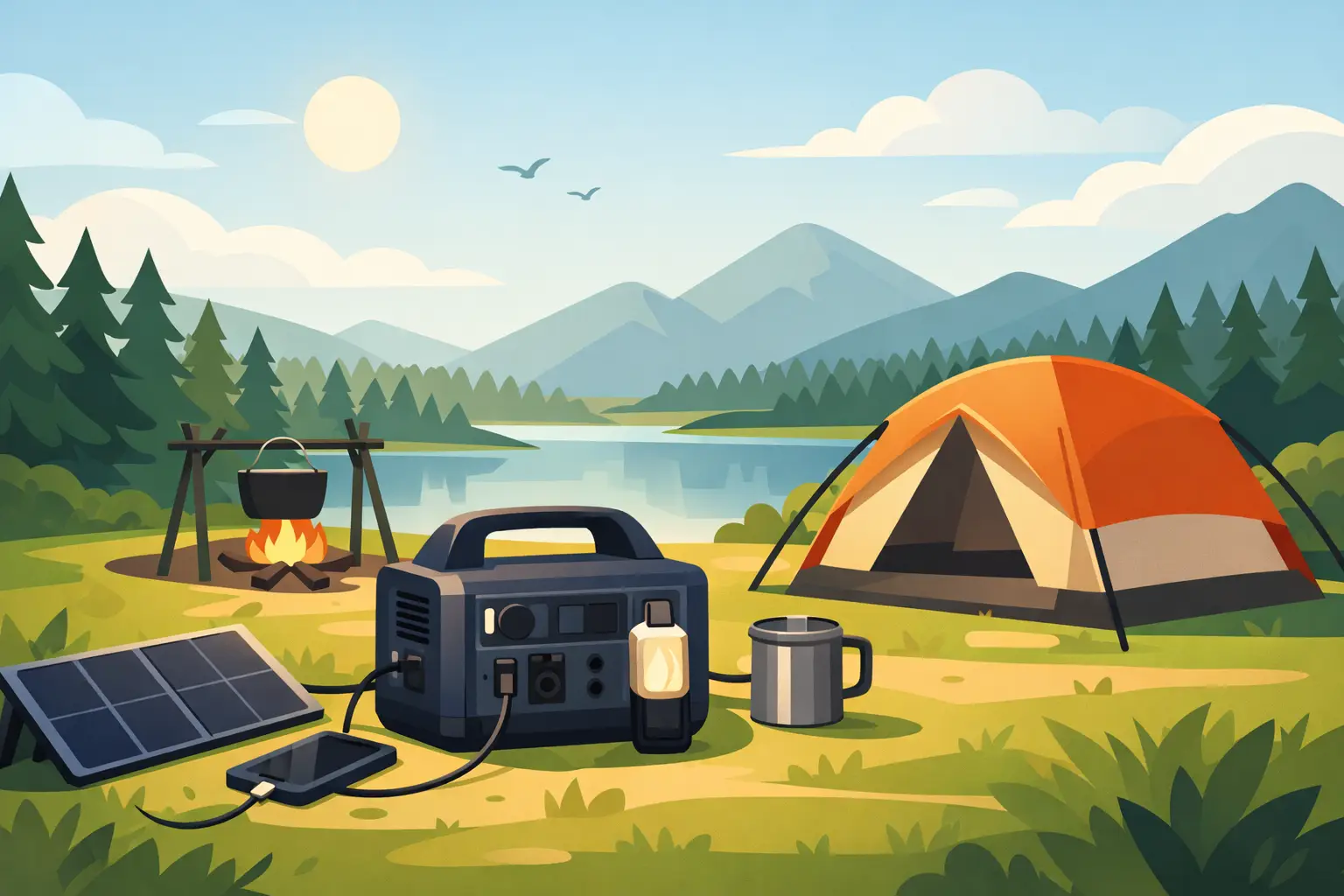
There is a big difference between camping comfortably and camping well. When the coffee maker stalls at sunrise, your phone drops to 4 percent, and the string lights go dark before dinner, power stops feeling like a luxury. A portable power station for camping solves that problem with far more style and ease than a noisy gas generator, giving you quiet, compact energy for the parts of outdoor living you actually want to keep.
For many campers, the appeal is not just backup electricity. It is the ability to create a more refined setup – one that supports better meals, charged devices, soft lighting, camera gear, a fan on warm nights, or a heated blanket when temperatures dip. The right unit adds convenience without turning your campsite into a worksite.
Why a portable power station for camping feels like a real upgrade
A good camping setup is about balance. You want the freedom of being outdoors, but you also want smart comforts that make the trip smoother. Portable power stations fit that balance well because they are cleaner, quieter, and easier to manage than fuel-powered alternatives.
That matters in real use. You can keep one in a tent-adjacent setup, inside an RV, or under a picnic table without the fumes, engine noise, or high-maintenance feel of traditional generators. For style-conscious campers and families who want convenience without clutter, that shift is significant.
They also suit the way people camp now. Weekends away often include phones, tablets, Bluetooth speakers, drones, electric coolers, portable projectors, and small kitchen appliances. Even a minimalist camper usually wants reliable power for lights, navigation, and emergency charging. A power station turns those needs into something simple and portable.
How to choose the right size
The first decision is capacity, usually measured in watt-hours. This tells you how much stored energy the unit has. Smaller models are excellent for short trips and light charging, while larger ones support more demanding setups.
If your camping style is fairly simple – charging phones, powering LED lanterns, running a small fan, or topping off a camera battery – an entry to mid-range power station may be enough. If you want to run a portable fridge, CPAP machine, electric kettle, or multiple devices over a full weekend, you will likely want a larger capacity model.
This is where many shoppers either overspend or buy too small. Bigger is not always better if it means hauling unnecessary weight. But too little capacity can make the whole purchase frustrating. A stylish, premium outdoor setup works best when the power station matches your actual habits rather than an imagined extreme scenario.
Think in real campsite routines
Instead of focusing only on specs, picture a day outdoors. Maybe you charge two phones, a smartwatch, and a camera during the afternoon. Maybe you run café lights for four hours, a fan overnight, and a compact cooler through the weekend. That routine gives you a better buying lens than a feature list alone.
A couple on short weekend trips will need something different from a family with kids, a glamper with cooking gear, or a remote worker blending travel with connectivity. The best choice is the one that supports your rhythm without feeling oversized or underpowered.
Output matters as much as battery size
Capacity tells you how long a station can supply energy. Output tells you what it can run at one time. That number is usually measured in watts, and it is a crucial detail.
A unit may have enough battery to last all weekend, but if it cannot handle the startup load of your appliance, it will not be much help. This matters for items such as coffee makers, blenders, mini fridges, air pumps, and some electric cookware.
Look closely at the outlets too. A more versatile portable power station for camping should include a thoughtful mix of AC outlets, USB-A, USB-C, and car-style 12V ports. USB-C fast charging is especially useful now, since many newer phones, tablets, and laptops can rely on it.
For shoppers who appreciate convenience and clean design, this is one of the easiest ways to spot a better product. A premium-feeling unit is not just about appearance. It is about intuitive port placement, a clear display, and enough flexibility to support modern gear without adapters scattered everywhere.
Weight, portability, and campsite reality
It is easy to be drawn to the biggest model on the page, especially when more capacity sounds reassuring. But camping adds a practical filter. You may need to lift the unit from your car, carry it across uneven ground, or move it in and out of storage often.
That is why portability deserves serious attention. Some stations are genuinely grab-and-go. Others are better for RV use, car camping with minimal carrying, or semi-permanent outdoor setups. Handle design, overall shape, and weight distribution can make a surprising difference.
If your trips involve walk-in campsites or frequent repositioning, a lighter model may deliver a better experience than a heavy-duty option with extra capacity you rarely use. Convenience is part of luxury, and the easier a station is to move, the more likely you are to enjoy using it.
Charging speed changes the experience
One of the most overlooked details is how fast the unit itself recharges. This affects how ready you are between trips and how practical the station feels during longer stays.
Some models take many hours to recharge from a wall outlet, while others refill much faster. If you camp often, quick recharge capability is worth paying attention to. It reduces downtime and adds flexibility for spontaneous weekend plans.
Solar compatibility can also be attractive, especially for longer trips or off-grid stays. It is a compelling idea: quiet energy collection during the day, then stored power for evening comfort. Still, solar performance depends on weather, panel size, and how much power you are actually using. It is useful, but not magic.
For many shoppers, the best setup is a power station that charges efficiently from home and offers solar input as a bonus rather than a sole strategy.
Features worth paying for, and features you can skip
Premium products earn their place when they improve the experience, not when they add clutter. With portable power stations, a few elevated features genuinely matter.
A bright, easy-to-read display is one. It should show remaining battery, input, output, and estimated runtime in a way that makes sense at a glance. Strong battery chemistry also matters, especially if you want longer life and more charge cycles over time. Durable exterior materials, built-in lighting, app controls, and quiet operation can all add value if they fit your camping style.
On the other hand, some extras sound impressive but see little use. If you only camp a few weekends a year, you may not need the largest expandable system or a highly specialized output mix. It depends on whether your goal is essential convenience or a more elaborate outdoor living setup.
Matching the power station to your camping style
Not every camper wants the same atmosphere. That is what makes this category interesting.
If you prefer clean, minimal weekend escapes, a compact unit can keep your lighting, phones, and small accessories covered without adding bulk. If you enjoy an elevated campsite with better meals, ambient lighting, and a few home comforts, a mid-sized model often hits the sweet spot. If your camping setup includes extended stays, work gear, medical devices, or family needs, a larger station becomes less of a luxury and more of a foundation.
This is also where design starts to matter more than people admit. A well-made power station with a polished form, organized ports, and a sturdy build simply feels better to own and use. For shoppers who appreciate curated, high-quality gear, that refinement is part of the purchase.
At Fresh Choice Depot, that kind of product appeal makes sense. Outdoor gear should not feel purely utilitarian when it can also be smartly designed, dependable, and easy to integrate into a more elevated lifestyle.
Common buying mistakes to avoid
The most common mistake is shopping by battery size alone. A large battery is valuable, but if the unit is too heavy, too slow to recharge, or missing the ports you need, it may not suit your real-life trips.
Another mistake is ignoring appliance wattage. Campers often assume that if something plugs in, it will run. That is not always true. High-draw appliances can overwhelm a smaller station even when the battery is full.
Finally, do not forget noise and ease of use. One of the biggest advantages of this category is quiet convenience. A model with a confusing interface or distracting fan noise can chip away at that benefit.
What makes a purchase feel worth it
A good portable power station should feel like it belongs in your routine, not like emergency equipment you regret storing in the garage. The best ones support spontaneous road trips, polished campsite dinners, outdoor movie nights, and all the practical little moments in between.
When you choose carefully, this is not just another gadget. It becomes part of a more comfortable, more capable way to travel. Buy for the way you actually camp, leave room for a little extra ease, and your next trip will feel less improvised and more intentional.










Leave a comment